
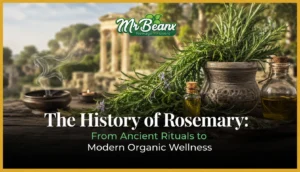
History of Rosemary
The history of rosemary depicts a culture, a curing tradition, and a pilgrimage custom. This fragrant herb has defined human activity over the centuries. In addition, its strong smell and medicinal qualities made it useful in the civilizations. Rosemary has a place in eternity because it was used in religious ceremonies and in kitchen gardens.
Ancient Origins of Rosemary
Rosemary or Rosmarinus officinalis is a native Mediterranean plant and typically thrives in dry and rocky soils. Its Latin name means dew of the sea, which refers to its habitat on the coast and its fragrance. The Egyptians used it in their burial ceremonies, the Greeks in examination to enhance memory and the Romans linked it to loyalty and protection.
Actually, rosemary was used in perfumery, food, and medicine as recorded by historians in 500 B.C. According to some ancient herbal literature, Rosemary has health benefits, such as being a remedy for headaches, digestion, and respiratory ailments.
Evolution of Herbal Wellness
The Evolution of herbal wellness demonstrates the further relevance of rosemary. It is now found in vital oils, skin care and health products. Rosemary is used as a form of aromatherapy to relieve stress and enhance concentration. Moreover, there are numerous traditional claims that are backed up by modern science.
Wellness experts now combine ancient knowledge with research. Consequently, rosemary is still an effective natural remedy. Its contribution to holistic health is still growing.
Rosemary cultural significance
The significance of the Rosemary culture is transcontinental and intergenerational. Rosemary was a symbol of love, loyalty and memory in Europe. It was used by brides in their bouquets to have everlasting relationships. Also, mourners used it on graves to commemorate their loved ones.
Rosemary was even more appreciated in the Middle Ages. It was believed to be able to keep away evil spirits. Consequently, rosemary bundles were regularly displayed at homes to protect against evil. This assumption enhanced its place in everyday life.
Traditional Medicinal Uses
You all know that the health benefits of rosemary are numerous. Yet, you think so because it has been proven by other laboratories. But such uses were not new to healers in different cultures:
Rosemary tea was used to treat bloating, gas, and indigestion. Rosemary oil was applied to enhance the flow of blood and relieve muscle pain. This was a popular steam therapy ingredient for colds and sinus congestion since it was aromatic. Rosemary-infused oil was applied to the hair to keep it strong and prevent loss.
These applications were transmitted orally and recorded in books such as The Complete Herbal by Nicholas Culpeper in the 17th century.
Modern Uses of Rosemary
It would be no mistake to say of Rosemary that she is the jack-of-all-trades! The application in rosemary is now in food, health, and even personal care. We can discuss some of the contemporary applications of rosemary:
Cooking with Rosemary
Rosemary is a herb that is commonly used in the kitchen by many people. The pine-like taste of it is well matched with roasted meat, potatoes, and vegetables.
Rosemary Health Benefits
Rosemary promotes contemporary wellness trends in many ways:
- Enhances digestion: Rosemary tea can help in bile secretions and digestion.
- Stimulates hair growth: Rosemary oil is a natural DHT blocker that is commonly employed to enhance scalp circulation and hair thinning.
- Relaxes: Rosemary essential oil in aromatherapy may lower the amount of cortisol and enhance alertness.
- Sustains Immunity: Rosemary, due to the presence of antioxidants, can boost the immune system in case of regular intake.
Skincare and Beauty: Rosemary extracts can now be found in face washes, toners, and creams due to antimicrobial and anti-inflammatory properties. It assists in minimising acne, even the skin, and increases circulation.
Rosemary Ancient Rituals and Spiritual Practices
Rosemary was a major ingredient in Rosemary in ancient rituals. Priests used to burn it as incense during religious ceremonies. The smoke was a symbol of cleansing and transparency. Moreover, it assisted in establishing a sacred atmosphere.
Rosemary was also used in tombs in ancient Egypt. It was a symbol of immortality and memory. Similarly, European healers also applied it in spiritual cleansing. These practices linked rosemary to life and the afterlife.
Daily use of Organic Herbs Traditions
Organic herb traditions became significant as societies developed. Individuals started to plant rosemary in their home gardens. This method guaranteed natural and pure herbs. Also, rosemary became indispensable in the culinary and health practices.
The farmers used rosemary because it was resistant and had low maintenance. It was successful in different climates. As a result, it was made available to numerous households. This extensive application of organic rosemary leaves made living healthier.
Why is Rosemary Still Important Today?
The History of rosemary testifies to its permanence. It links old culture with new ones. Moreover, it is a natural way of health and wellness.
Individuals are demanding organic and eco-friendly living products. Rosemary suits this lifestyle. It has history and health benefits combined in a single plant.
Conclusion
To sum up, rosemary is a heritage and healing symbol. It is incredible how it has evolved over the years through its wellness rituals. Furthermore, its usefulness is also versatile, and thus guarantees its continued use.
A combination of Ancient herbs and uses, Traditional herbal medicine and modern science makes rosemary relevant. It continues to enjoy a Rosemary cultural importance among generations. Rosemary will never leave organic living as the Evolution of herbal wellness goes on.